

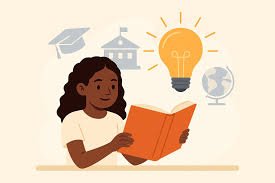
Education is one of the most powerful tools for transforming lives. It builds confidence, shapes identity, and opens doors to opportunities that can change entire communities. Yet, in many parts of rural India, millions of young girls are still denied this basic right.
The question is no longer whether girls should be educated — it’s how fast we can make it happen for every single one of them. Because when we educate a girl, we don’t just change her life — we change the future of her family, her community, and her nation.
🌸 The Current Situation: Where We Stand
Over the past few decades, India has made significant progress in improving literacy rates. But gender disparity remains a challenge, especially in rural areas.
According to recent studies:
- Girls in rural India are more likely to drop out of school than boys, especially after primary education.
- Early marriage, poverty, and cultural norms are among the leading reasons why girls’ education is interrupted.
- Limited access to sanitation and safety in schools often forces parents to keep daughters at home.
While urban India is witnessing a rise in educated, independent women, the rural landscape tells a different story — one where dreams are often cut short by social barriers.
🌻 Why Educating Girls Matters So Deeply
Educating girls is not just a moral issue — it’s a strategic investment in the future. The ripple effects of a single educated girl can transform generations.
Let’s explore how:
1. Breaking the Cycle of Poverty
Education empowers girls to gain skills, find employment, and achieve financial independence.
An educated woman invests 90% of her income back into her family — in food, healthcare, and education for her children — breaking the cycle of poverty.
2. Better Health and Well-Being
Educated girls are more aware of health, hygiene, and nutrition. They make informed choices about family planning, leading to healthier families and reduced maternal mortality rates.
3. Empowering Women to Make Choices
Education gives girls a voice — the power to say no to child marriage, yes to their dreams, and maybe to what truly deserves their time.
It helps them become decision-makers rather than silent followers.
4. Boosting the Nation’s Economy
The World Bank estimates that if every girl completed secondary school, the global economy could add trillions in growth.
For India, where women make up nearly half of the population, educating girls means unlocking the country’s full potential.
5. Creating Role Models for the Next Generation
When one girl studies, she inspires others to do the same. She becomes a role model, proving that education is not a privilege — it’s a right.
💬 Barriers That Still Exist
Despite government schemes and awareness drives, several barriers continue to keep rural girls out of school:
1. Economic Constraints
Many families view education as an expense rather than an investment. They prefer sending sons to school, assuming daughters will eventually marry and move away.
2. Cultural and Social Norms
Traditional beliefs often discourage girls from pursuing higher education, suggesting that a girl’s primary role is to manage household duties.
3. Early Marriage
India still records one of the highest rates of child marriage in the world. Once married, girls are rarely allowed to continue schooling.
4. Lack of Infrastructure
The absence of toilets, transport, and safety measures makes it difficult for girls to attend school regularly.
5. Limited Access to Technology
While digital learning is expanding, many rural regions still lack internet connectivity and devices — widening the education gap further.
🌼 How Education Transforms Communities
When a girl is educated, her empowerment extends beyond her.
Here’s how it creates lasting social change:
- Educated mothers raise educated children. They prioritize schooling and create an environment of learning at home.
- Communities benefit economically. Educated women contribute to the workforce, entrepreneurship, and local industries.
- Social attitudes evolve. Education challenges stereotypes, reduces gender-based violence, and promotes equality.
Every educated girl becomes a change-maker — she redefines what’s possible for those around her.
🌿 Government and NGO Efforts
The Indian government and several NGOs have launched initiatives to improve girls’ education, such as:
- Beti Bachao, Beti Padhao (Save the Daughter, Educate the Daughter): Focuses on gender equality and promoting education for girls.
- Kasturba Gandhi Balika Vidyalaya: Provides residential schools for girls from marginalized communities.
- Mid-Day Meal Scheme: Encourages school attendance by providing free lunches.
- Digital literacy programs like Digital India and PM eVidya that promote online learning.
While these initiatives are impactful, their success depends on local awareness and community participation.
🌺 What Can We Do as a Society?
Real change begins when society takes collective responsibility. Here’s how we can all play a role:
1. Raise Awareness
Use social media, local events, and community programs to talk about why girls’ education matters.
2. Support Local Schools
Volunteer time, donate books or technology, or support organizations working in rural education.
3. Challenge Stereotypes
Encourage families to view daughters as assets, not burdens. Speak up against early marriage and gender bias.
4. Create Safe Spaces
Advocate for better infrastructure — safe classrooms, transport, and sanitation — so girls can study without fear.
5. Mentor and Inspire
If you’re an educated woman, your story can inspire others. Visit rural schools, talk to young girls, and show them what’s possible through education.
💫 The Way Forward
For India to truly progress, every girl must have the freedom to learn, dream, and lead.
Educating rural girls is not just an act of charity — it’s a path to equality, sustainability, and national growth.
Imagine a country where no girl drops out of school, where every daughter dreams fearlessly, and where every woman leads with confidence. That’s not just a vision — it’s a future we can build together.
