

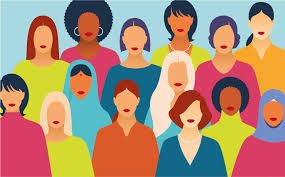
The Power of Being Seen
Representation isn’t just about showing faces — it’s about telling stories that reflect reality. When women see themselves in leadership roles, on-screen characters, boardrooms, or campaigns, it sends a powerful message: “You belong here.”
For centuries, women’s voices and identities have been overlooked or limited to certain stereotypes. But today, representation is changing — and that change is reshaping how women see themselves and how the world sees them.
Representation matters because it’s not only about inclusion — it’s about inspiration.
💬 The Impact of Visibility
Seeing a woman in a place of power or influence challenges old norms. When a young girl watches a female scientist on television, a woman CEO in the news, or a content creator speaking boldly online, she begins to imagine herself in those roles.
That’s the magic of visibility — it plants the seed of possibility.
Representation is not only symbolic; it’s transformative. It influences self-worth, ambition, and confidence. It helps women believe that success, leadership, and independence are not privileges — they’re rights within reach.
🌿 Breaking Stereotypes, One Story at a Time
For decades, women in media and society were boxed into narrow roles — the homemaker, the beauty icon, or the supporting character. But modern representation is breaking those limits.
We now see women as athletes, inventors, politicians, comedians, creators, and changemakers — multifaceted individuals with complex stories.
Representation also means embracing diversity among women — women of all shapes, shades, backgrounds, and experiences.
Because true empowerment isn’t achieved when one kind of woman is visible — it’s achieved when every kind of woman is represented.
💼 Representation in Work and Leadership
When women see other women leading teams, running companies, or owning businesses, it sparks ambition. It tells them that leadership doesn’t look one way.
Workplaces that prioritize gender representation not only perform better but also nurture creativity, empathy, and balance. The presence of women in leadership changes how organizations make decisions — often bringing a more inclusive, people-centered perspective.
Representation at the top inspires women at every level to rise — and it helps the next generation aim even higher.
🎬 Media & Pop Culture: A Mirror That Shapes Society
Movies, TV, advertising, and social media shape how society perceives women. When these platforms highlight strong, real, and diverse female voices, they contribute to equality. But when they reduce women to stereotypes, they hold progress back.
Thankfully, more filmmakers, journalists, and creators are realizing their responsibility. From women-centric films to influencer campaigns that feature women of all ages and backgrounds, the narrative is slowly shifting toward authenticity.
Still, representation must go beyond tokenism. One woman on a panel or one female lead in a movie isn’t enough — we need consistent, layered, and honest portrayals.
💖 The Emotional Power of Representation
Representation gives validation. It tells women — “Your story matters.”
When women see others sharing their struggles, dreams, and triumphs, they feel less alone. It’s emotional, not just visual.
A woman from a small town seeing another woman break barriers on social media might find the courage to chase her own dream. That’s how representation creates ripples of empowerment.
Every woman who shares her voice — online or offline — adds another layer to that collective representation.
🌈 Representation Is a Responsibility
It’s not only up to brands, media, or governments — we all have a role in representation. Whether you’re a teacher, a creator, an entrepreneur, or a student, your story has power.
Each post, conversation, or choice you make can inspire another woman to believe in herself. Representation begins with us — with how we talk about other women, how we celebrate them, and how we include them.
